Introduction
Obafemi Awolowo University (OAU) is the topmost university in Nigeria and Africa, with over 32,480 students, 19 research centers, 13 faculties, and 2 colleges. It is a government institution.
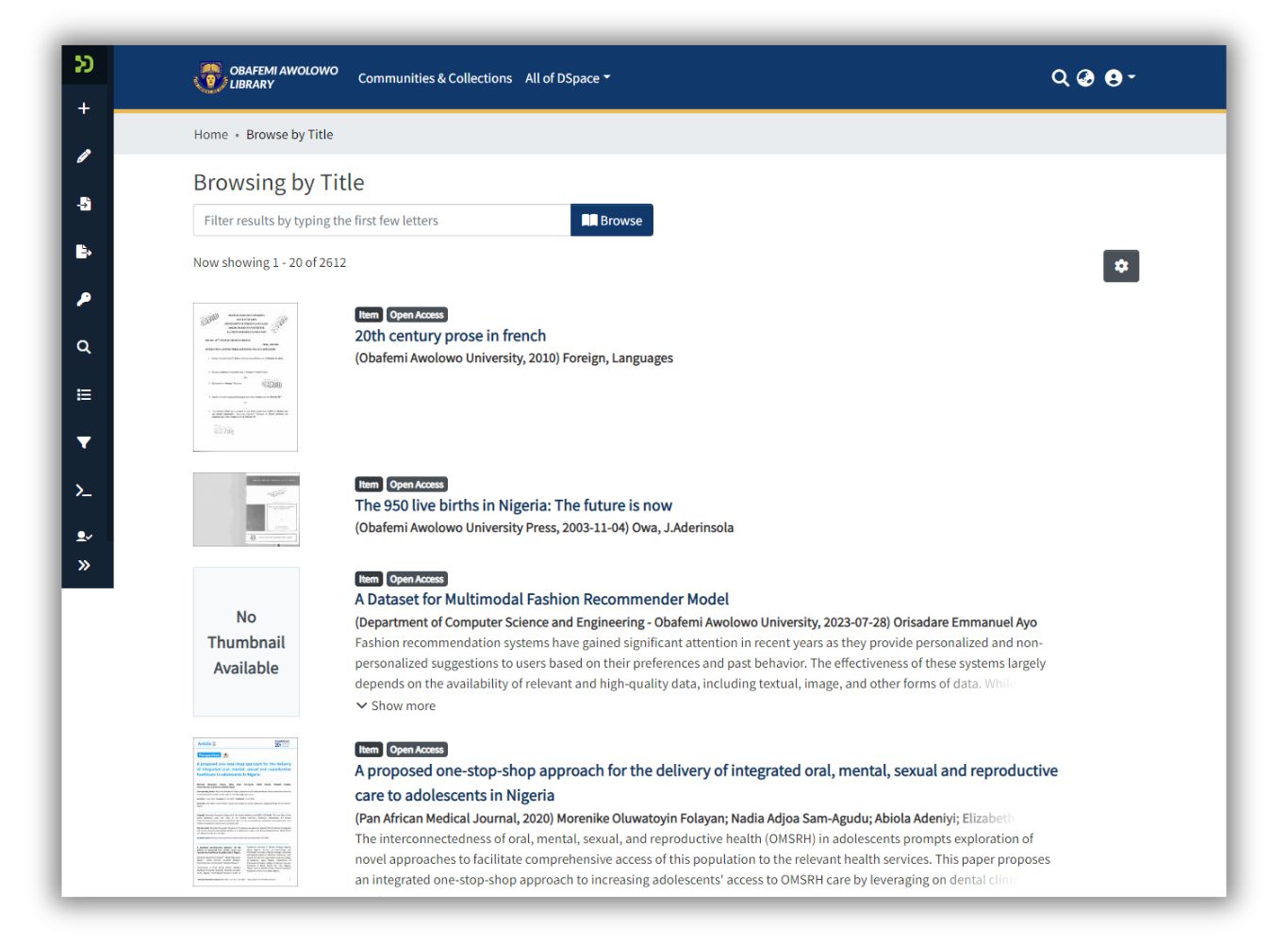
Obafemi Awolowo University Repository
Click Here to VisitChallenges
OAU's DSpace 3.x institutional repository faced numerous challenges that hindered its effectiveness. Vulnerabilities, bugs, and data corruption issues threatened the integrity of its academic assets, while the lack of essential security mechanisms raised concerns about data protection. Furthermore, the outdated operating system posed operational risks
Solutions & Benefits
SternHost stepped in to provide comprehensive solutions to OAU's repository challenges. The services provided included:
Fresh DSpace 7 Installation
Upgrading the DSpace 3.x system to the latest DSpace 7 version, offering enhanced features and performance.
Data Migration
Migrated over 2,000 records seamlessly, preserving the university's valuable academic resources.
OAI-PMH Configuration
Configuration of the Open Archives Initiative Protocol for Metadata Harvesting (OAI-PMH), making research accessible to a wider audience.
Angular UI Customization & Email Notification setup
Customization of the Angular user interface, providing a more user-friendly experience. Implementation of email notifications to keep stakeholders informed about updates and new research contributions.
SternHost's implementation of DSpace Digital repository software at Obafemi Awolowo University resulted in several concrete benefits, including improved accessibility and visibility of the university's research, secure preservation of academic knowledge and research assets, expanded global outreach, and enhanced security for valuable research data and intellectual property.
Project Information
Client:
Obafemi Awolowo University
Location:
Ile-Ife, Nigeria
Date:
Augutst 14, 2022
Website:
https://ir.oauife.edu.ng
Other Case Studies
This institution of 55K students and 3K staff lacked a digital archive, causing academic material backlogs that affected research and knowledge preservation.